






Situational Awareness
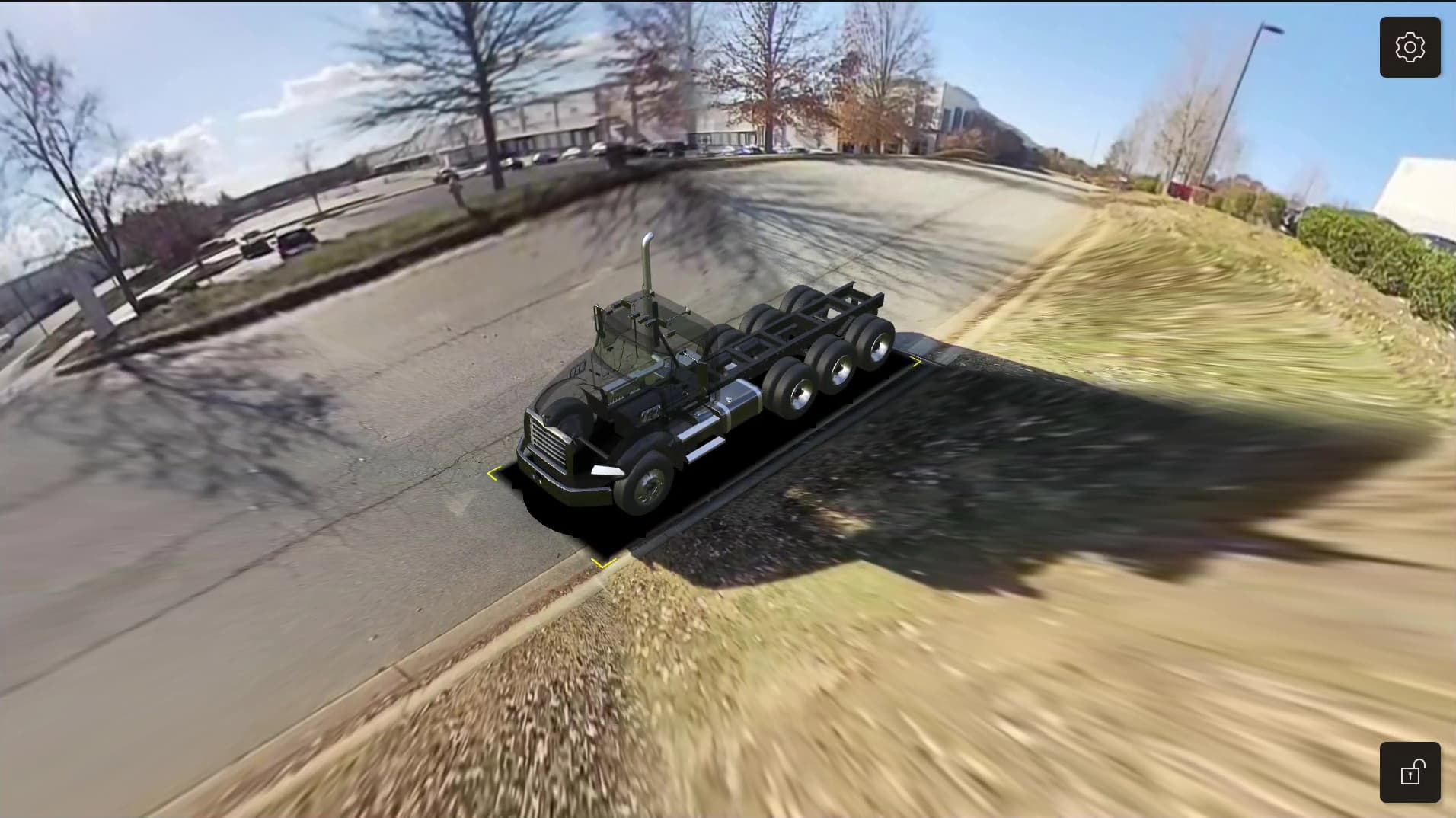

Situational Awareness
Situational Awareness combines cameras, sensing systems, and sensor fusion technology to create a real-time understanding of the surrounding environment. By bringing together multiple data sources into one coordinated view, operators gain clearer awareness in complex and dynamic conditions. This supports safer decision-making, improved confidence, and reduced operational risk across vehicles, vessels, and work sites.
Context
As the product and team grew, execution became harder to manage. More deployments, more background jobs, and more automation meant higher load and more points of failure. What used to work informally started breaking down, especially during peak usage and releases.
The team needed a way to keep execution moving without relying on constant monitoring or ad-hoc fixes.
The approach
Execution was reorganized into agent-driven tasks with clear boundaries. Work was picked up based on capacity, failures were isolated, and retries followed defined rules instead of manual intervention.
Visibility was built into the workflow, so every run could be inspected without additional tooling. The system was designed to adapt to load rather than pushing everything at full speed.
“Our team's productivity has soared since adopting this platform.”

The result
Once the new execution flow was in place, the system became noticeably quieter. Tasks completed consistently, failures were contained, and teams no longer needed to monitor every run.
Engineers could focus on building and improving workflows instead of managing them day to day.
The biggest shift wasn’t technical — it was operational. Execution became something the team trusted instead of something they worried about. The system handled repetition and scale, while humans stayed focused on direction and decisions.